
What a short circuit actually is
A short circuit happens when current finds a path it was not supposed to take — usually hot conductor to neutral, or hot conductor to ground, through something with very little resistance. When that happens, current jumps from a comfortable few amps to hundreds of amps almost instantly. The breaker senses that spike and trips. This is the breaker doing its job. The damage you would have had without it — melted insulation, charred device, possible fire — is exactly what it just prevented.
People often confuse a short with an overload. An overload is a circuit drawing more current than it is rated for over time, like a 15-amp branch with a portable heater plus a microwave running together. An overload trips slowly. A short trips immediately and hard. If you flip the breaker back on and it trips again the instant it is reset, you are very likely dealing with a true short rather than an overload.
First steps when a breaker keeps tripping
Before a tech even arrives, there are a few safe things a homeowner can check. First, unplug everything on the affected circuit and try resetting the breaker. If it holds with nothing plugged in, the short is probably inside one of the appliances or extension cords. Plug devices back in one at a time. The one that causes the trip is your culprit. Second, look for obvious damage — chewed cords, a wall outlet with brown streaks, a switch that has a faint plastic odor. Note what you find but do not start pulling things apart.
If the breaker trips with nothing plugged in, the short is in the wiring itself or in a hard-wired device — a light fixture, a ceiling fan, a hard-wired smoke detector, an outlet that has wires connected but no plug in it. That is when professional short circuit repair new orleans is the right next step. A licensed electrician has the tools to isolate which device or which span of wiring is faulted without trial-and-error guessing that risks damaging the wiring further.
How a licensed electrician isolates the fault
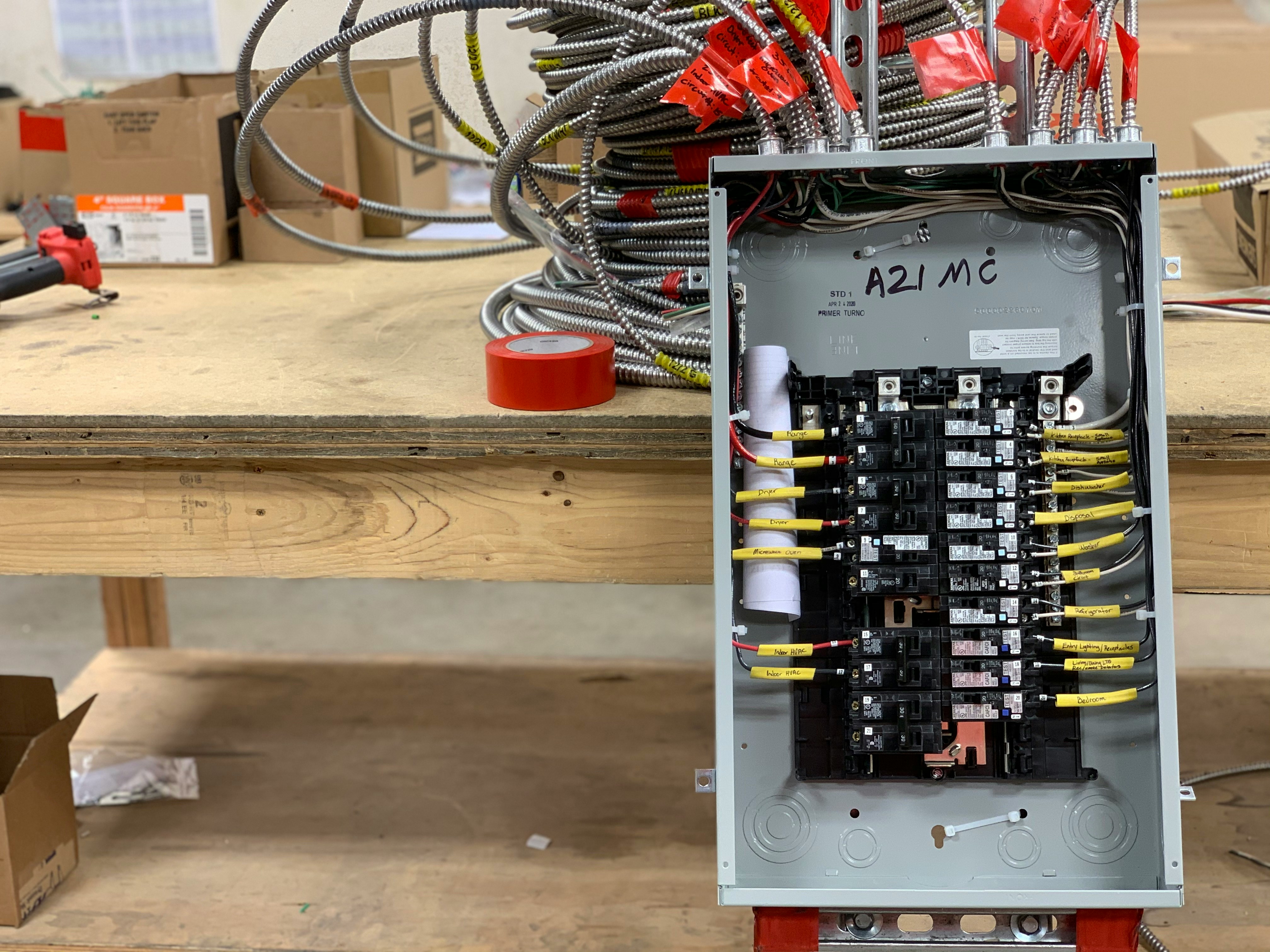
The diagnostic process here is methodical, not magical. The tech starts by mapping which devices and outlets are on the tripping breaker. Often a circuit serves more outlets than the homeowner realizes — bathroom, hallway, exterior, attic. With the breaker off, each device on that circuit is opened and inspected. Conductors are checked for damaged insulation, loose terminations, and burned spots. A meter is used to measure resistance between hot and neutral, and between hot and ground, at progressively smaller sections of the circuit until the fault is localized.
When the fault is inside the wall — say, a nail was driven through a cable at some point in the past — the tech can usually narrow it to a single section between two outlets. From there, the repair is either a careful splice in an accessible junction box or, if access is poor, pulling a new section of cable from one device to the next. Either way, the repair is documented and the circuit is tested under load before the panel is closed up.
AFCI and GFCI considerations
Modern homes often have AFCI (arc-fault circuit interrupter) breakers on bedroom and living-area circuits. AFCIs trip on certain arcing patterns even before a classical short develops. A nuisance-tripping AFCI sometimes points to a marginal connection that is not yet a hard short but is heading there. Treat an AFCI trip as a warning rather than an annoyance. GFCIs are different — they trip on tiny current imbalances between hot and neutral, usually because current is leaking to ground. A GFCI trip in a kitchen or bath circuit is often a damp device, not a true short.
A good diagnostic recognizes which protection device is doing the tripping and adjusts the plan accordingly. Replacing an AFCI breaker because it nuisance-trips, without first investigating the underlying arcing, is a temporary fix that hides a real problem. A licensed electrician will explain which case you are in and why.
After the repair
Once the fault is found and repaired, the electrician should test the circuit by re-energizing it slowly — sometimes with a load bank, sometimes by adding devices back one at a time — and watching the panel for heat. Thermal imaging the panel and the repaired section after fifteen minutes of load is a small step that catches a marginal termination before it becomes the next call. The work order should list the breaker that tripped, the fault location, the materials used in the repair, and any related findings (cover plates that need replacement, devices that should be swapped soon, a panel directory that needs updating).
If you are a homeowner reading this after a recent breaker trip, the most important thing is not to keep resetting it. Each reset attempt against an active short stresses both the breaker and whatever is at the fault location. Leave the breaker off, unplug what you can, and call a licensed electrician. For straightforward short circuit repair new orleans homes typically need a single visit. For older systems with multiple faults, the right answer might be a deeper inspection and a plan to address the whole circuit at once. Either way, you want a clear written record of what was repaired and what was deferred.
Many homeowners worry that a tripping breaker means the entire panel needs to be replaced. That is rarely true. A panel replacement is justified when the panel itself is undersized, when the bus bars are corroded, when a known-faulty brand is involved, or when the breakers themselves no longer hold calibration. A single misbehaving circuit is almost never a reason to replace a panel. A licensed tech can tell you the difference in five minutes once they open the cover.
The right mindset for short circuit repair is patience. A breaker is doing its job by tripping. Treat the trip as information rather than a nuisance, give a tech the chance to find the actual cause, and the fix will hold for years rather than weeks. To talk through a tripping breaker or to schedule a diagnostic visit, return to the MK Electric home page.