What a good residential electrician actually does
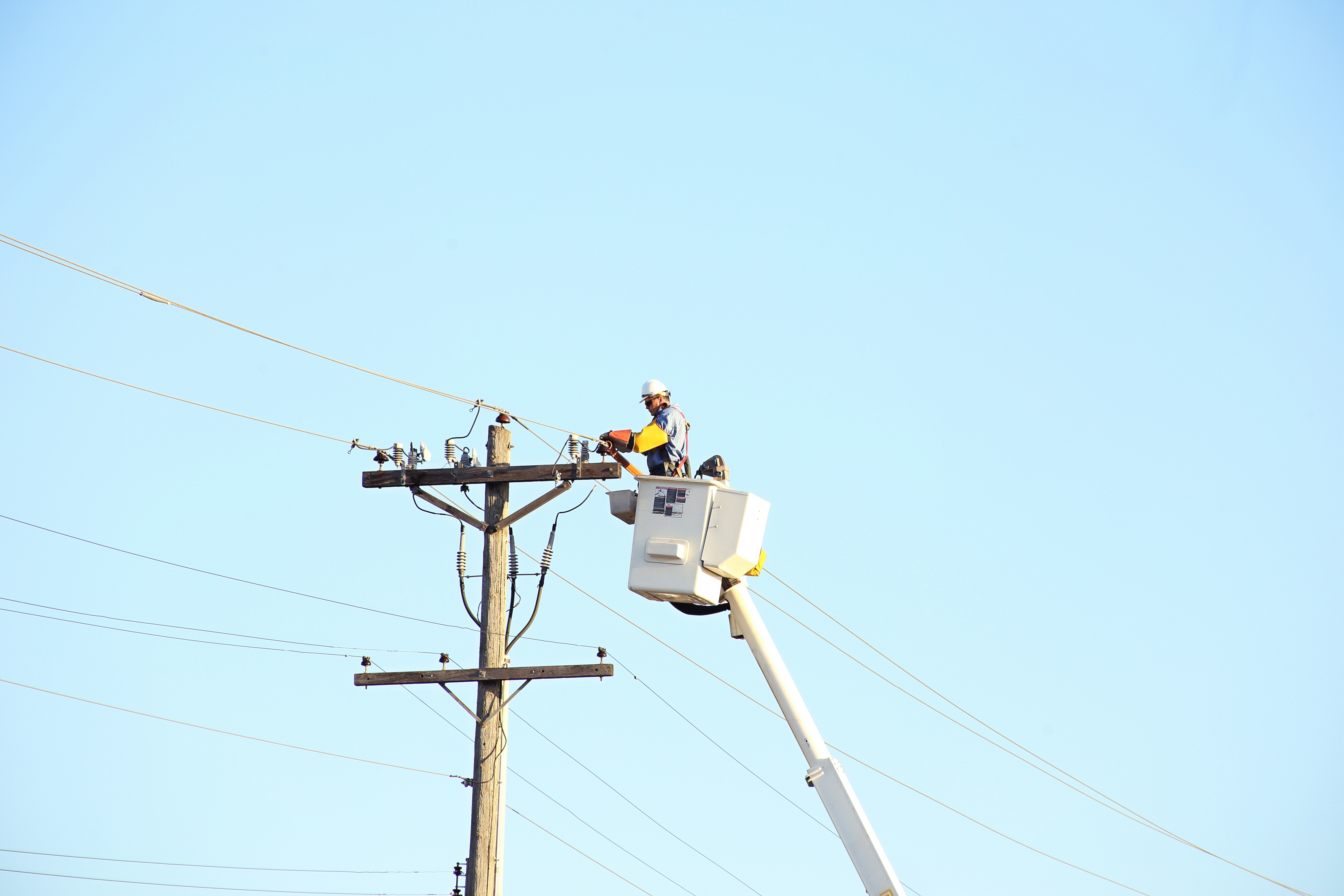
Most people only think about an electrician when something stops working, but the day-to-day work of a residential electrician is wider than emergency repairs. It includes panel inspections, replacing aging outlets and switches, adding dedicated circuits for appliances, swapping out failing breakers, repairing damaged sections of wiring, and installing new fixtures so they meet current code. A careful electrician approaches every visit as a small inspection, not just a single task. While replacing one outlet, a good tech will glance at the panel, listen for hums, check the cover plates for browning, and ask a few questions about how the system has been behaving lately.
The reason this matters is that electrical systems fail slowly. A breaker that nuisance-trips once a month is trying to tell you something. A warm dimmer that nobody mentions for a year is a small fire risk that just hasn't escalated yet. The job of a trustworthy electrician is to translate those small signals into clear, calm explanations and then offer realistic options. Sometimes the right answer is a thirty-minute fix. Sometimes it is a planned panel upgrade six months out. Either way, you should leave the conversation feeling informed, not pressured.
When to call a licensed pro instead of trying it yourself
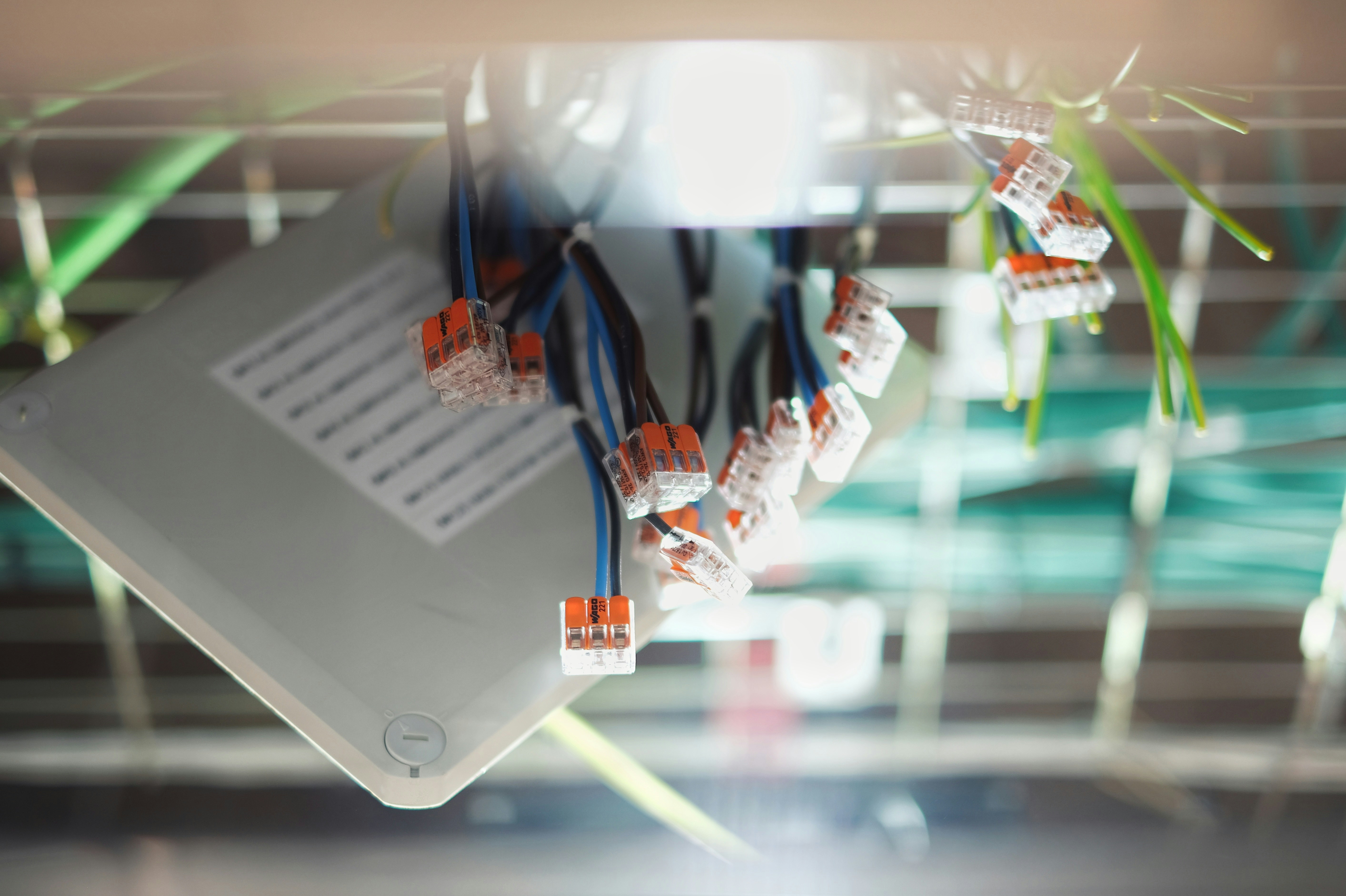
The line between a homeowner-level task and a licensed-electrician task is not always obvious. Replacing a like-for-like light fixture with the breaker off is often safe. Pulling new circuits through walls, replacing a panel, upgrading a service entrance, working in a kitchen with GFCI requirements, or chasing an intermittent fault — those belong to a licensed electrician in New Orleans LA. The difference is not skill alone. It is that licensed work is inspected, insured, and documented. If you ever sell the home or file an insurance claim, that documentation is the thing that protects you.
There is also the question of what failure looks like. A wiring mistake on a low-voltage doorbell circuit means the doorbell does not ring. A wiring mistake on a 240-volt range circuit can mean a slow-burning short hidden behind drywall. The cost of being wrong is asymmetric. When the consequence of an error is a melted neutral or a chronic arc, the math tilts hard toward calling a licensed electrician in New Orleans LA the first time. Bring a professional in, ask them to explain what they are doing, and you will end up with a safer home and a clearer mental model of how the system works.
Signs your home electrical system needs attention
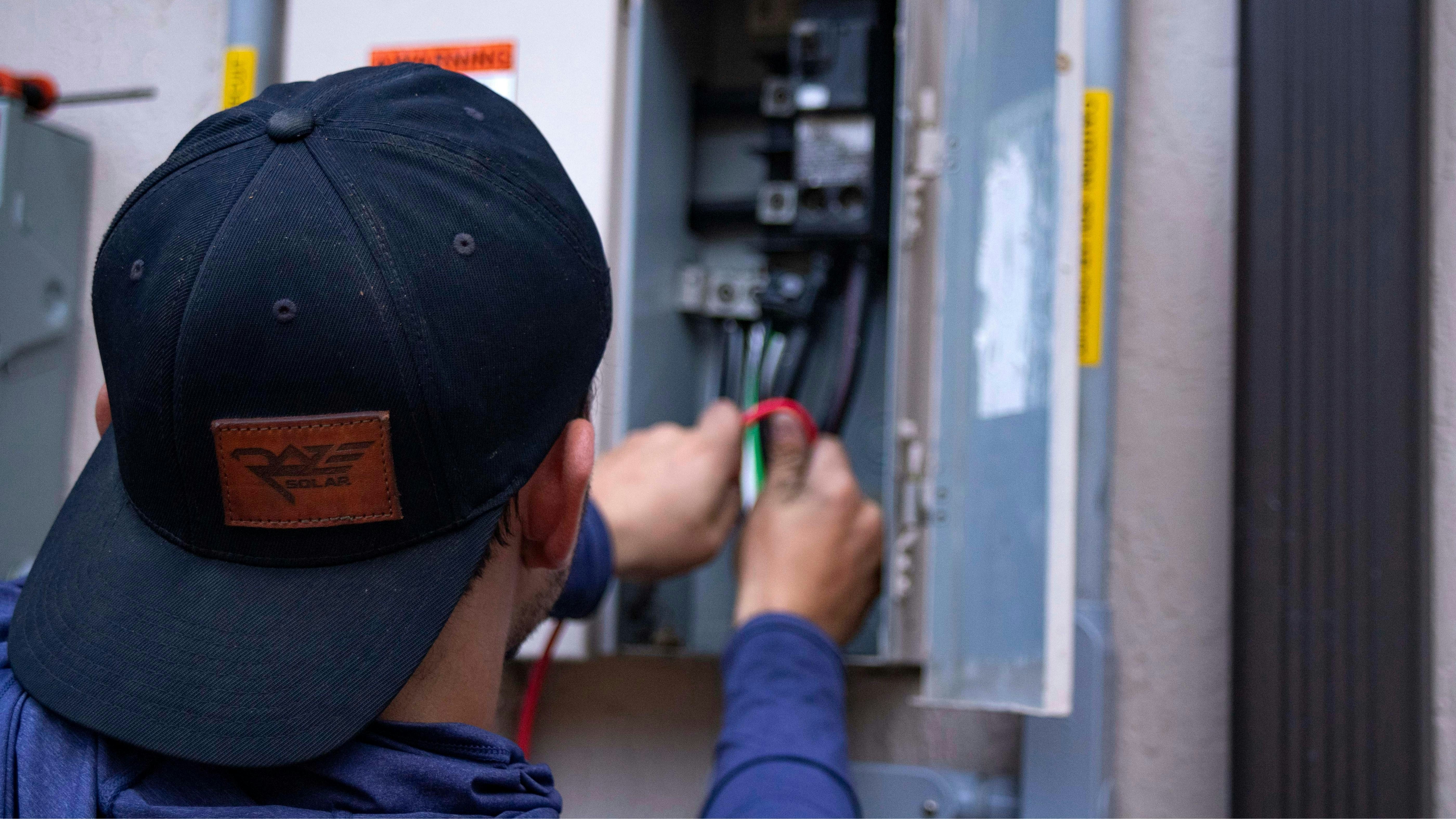
A few patterns show up over and over when an aging system is starting to slip. Lights that dim when the refrigerator cycles. Outlets that feel warm to the touch even when nothing demanding is plugged in. A breaker that you have reset four times in a year. A faint plastic smell near a switch. Sparks when you plug something in — not the tiny blue snap that sometimes happens, but a loud crack or visible flash. Any one of these on its own might be nothing. Two or three together is the system asking for a closer look.
There are also quieter indicators. Two-prong outlets in rooms where you now plug in computers or medical equipment. A panel with handwritten labels from three owners ago. Cloth-sheathed wiring visible in the basement or attic. Aluminum branch wiring from the late 1960s or early 1970s. None of these mean the system is unsafe today, but each of them is a fair reason to schedule a panel inspection so you have a baseline you trust.
A good electrician will tell you which findings are urgent, which are worth budgeting for, and which are simply notes. That triage is the value. Anyone can read a checklist; experience is knowing which line items deserve attention this month versus next year.
How MK Electric approaches a service call
When a customer calls MK Electric, the first conversation is usually short — what is happening, what changed recently, what you have already tried. From there a tech arrives with a few constants: a thermal camera, a meter, GFCI and AFCI testers, a tone generator for tracing, spare common-grade devices, and a plan to leave the workspace cleaner than they found it. They will turn off the relevant circuit before opening anything, verify the circuit is dead with a meter, and explain what they are seeing as they go.
For straightforward work — replacing an outlet, swapping a breaker, repairing a damaged section of romex — the technician usually quotes a flat scope before starting. For larger work — a partial rewire, a panel change, a service upgrade — they will write up a proposal with materials, labor, permit, and inspection broken out so you can read it line by line. There are no surprises at the end and no pressure to add work that was not discussed.
After the work is finished, the panel is relabeled if anything moved, the new device is tested under load, and the work area is vacuumed. You should know what was done, why, and what was deferred. That is true whether the visit was a thirty-minute outlet replacement or a two-day rewire.
Choosing the right electrician for the work you actually have
Not every job needs the most senior electrician in town. A simple ceiling-fan install or a single GFCI swap is a clean, predictable task. What you want is honesty about scope, a fair price, and clean workmanship. For more involved work — diagnosing an intermittent breaker trip, rewiring a kitchen, installing an EV charger on a tight panel — you want someone who has done the same job dozens of times and can walk you through the trade-offs without jargon.
When you are interviewing an electrician, ask three things. First, are they licensed and insured, and can they show proof. Second, how do they handle permits and inspections for the work they propose. Third, what does a typical follow-up look like if something is not right after they leave. The answers will tell you a lot. Calm, specific answers are a good sign. Vague answers, pressure tactics, or refusal to put a scope in writing are reasons to keep calling.
MK Electric works on residential and small-commercial systems. Common requests include panel upgrades, dedicated circuits for new appliances, GFCI and AFCI installation, knob-and-tube replacement, aluminum wiring remediation, outlet and switch replacement, light fixture installation, smoke and CO detector circuits, surge protection at the panel, and diagnostic visits where the goal is simply to find out why a circuit keeps tripping. The same approach applies to all of it: explain the problem, lay out the options, do the work cleanly, document what was done.
The goal of every visit is for the customer to know more about their home than they did when the tech arrived. A good service call leaves a written record of the panel, the circuits that were touched, and any findings that were noted but not fixed. With that record in hand, the next call is shorter, cheaper, and easier. Electrical work compounds in the same way that any other home maintenance does: small clear records build into a system you understand, and an understood system is a safer one.