Why a burning smell at an outlet is different
Most electrical warning signs build up slowly. A breaker trips once or twice. A light flickers. A switch warms up. A burning smell at an outlet is not in that category. It usually means heat is being generated where heat should not exist — at a loose terminal, a degraded contact, or a damaged conductor — and that heat is hot enough to scorch the plastic of the outlet itself or the insulation behind it. The smell is the early stage of a process that, given enough time and load, can become a fire inside the wall.
This is one of the few electrical issues where the right first move is not to investigate further. The right first move is to stop using the outlet. Unplug whatever is connected. If you can identify which breaker controls that outlet, turn it off at the panel. Then call a licensed electrician. The diagnostic work belongs to someone with the meter, training, and parts on the truck. The longer a hot, faulted outlet sits energized, the worse the damage gets.
What is actually happening behind the plate
There are a few common causes of a burning smell at an outlet. The most common is a back-stabbed connection — wire pushed into the small spring-loaded hole on the back of a cheap outlet — that has loosened over years of thermal cycling. Each time a load is drawn, the marginal contact gets hot. Heat oxidizes the copper. Oxide raises resistance. Higher resistance means more heat next time. The cycle compounds until the plastic of the outlet begins to scorch. A skilled burning smell outlet electrician new orleans will recognize this signature immediately when the cover plate comes off.
Other causes include a failed device — the internal contacts in a budget outlet wearing out from many insertion cycles, especially if a high-draw appliance has been plugged in there for years. Damaged plug blades on the appliance side, where the prongs are no longer flat against the contacts. A damaged neutral that is feeding the outlet from upstream. Or, occasionally, an aluminum-to-copper splice from a 1970s-era pigtail that was never properly remediated. The right repair depends on which case it actually is, which is why a real diagnostic is worth more than guessing and replacing parts.
What a professional visit looks like
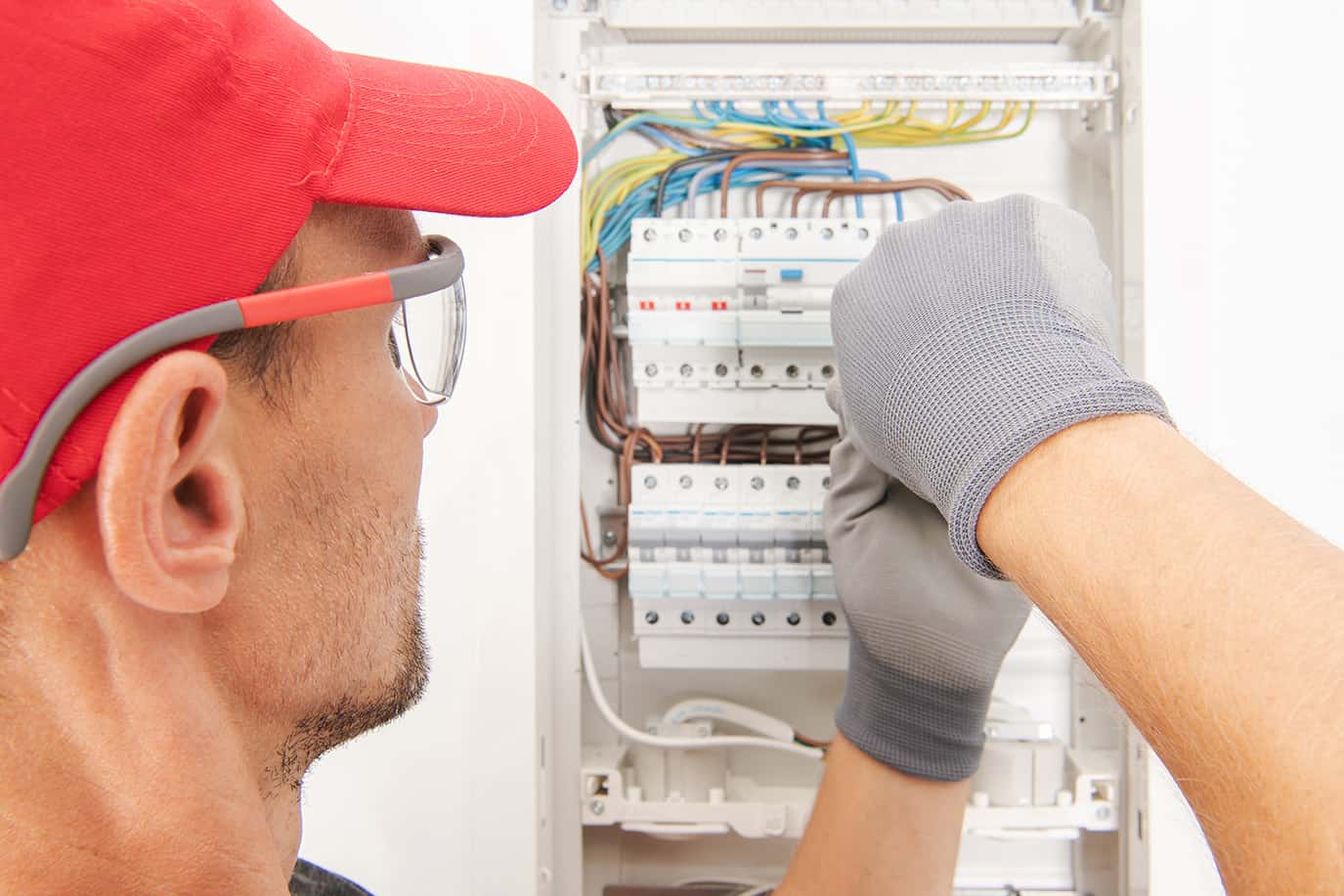
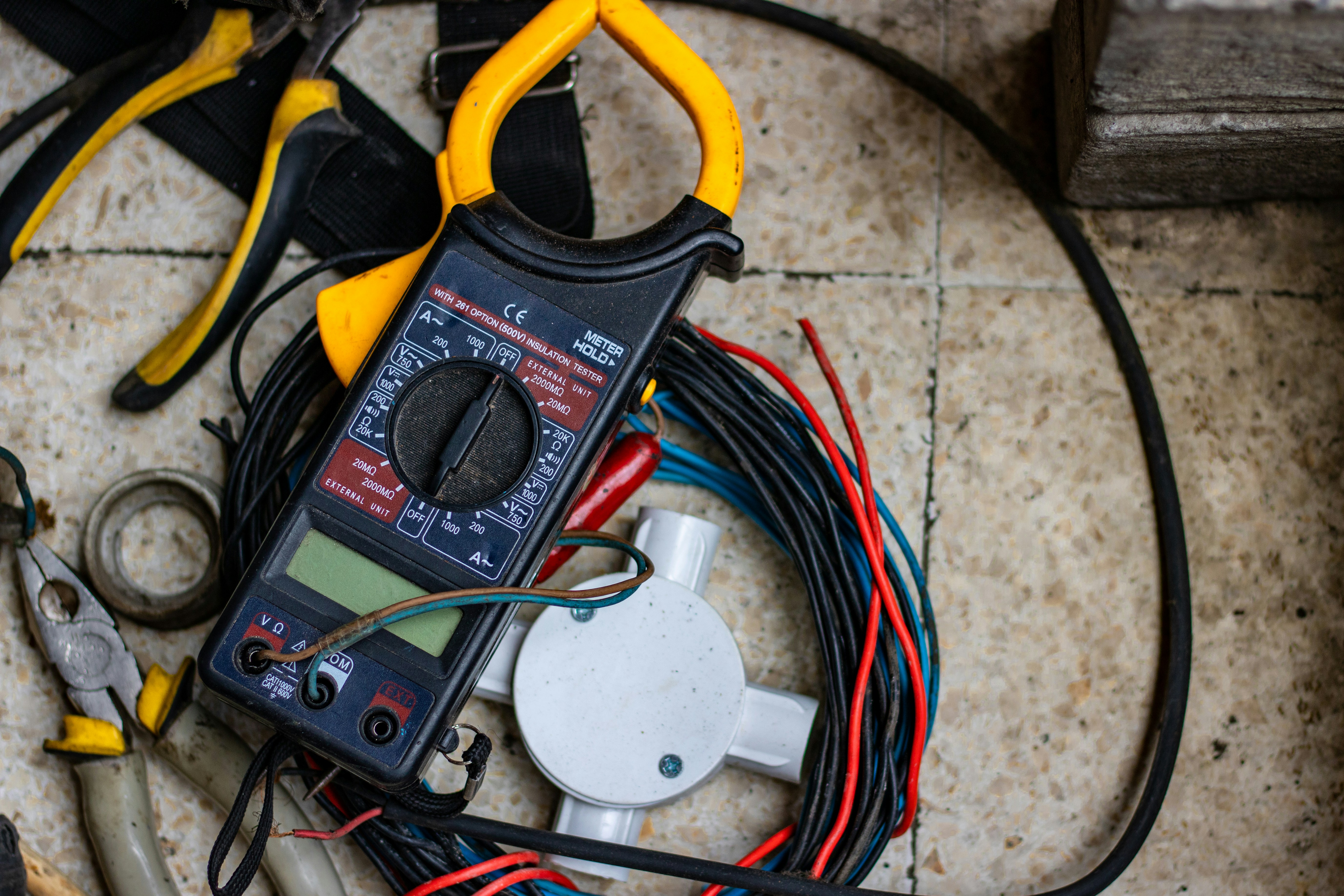
A typical visit starts with shutting off the breaker that feeds the affected outlet and verifying it is dead with a meter. The cover plate comes off, the outlet is pulled forward, and the terminations are examined under a flashlight. Thermal imaging at the panel and at adjacent outlets on the same circuit is often the next step — heat on the supply side of the panel can show that a marginal breaker connection is contributing to the problem, not the outlet alone.
The damaged outlet is removed. Conductor insulation is inspected for the inch or two of wire that was inside the box. If the insulation is intact and the conductor is sound, the conductor end is trimmed back past any heat-damaged copper and a new, code-grade device is installed with proper screw terminations — never back-stabbed. The new device is tested with a plug-in tester and then under load with a hair dryer or other resistive load while the tech watches the panel for heat. The box itself is inspected for scorching. If the box is damaged, it is replaced rather than reused.
If the fault was upstream — a feeder neutral, a damaged splice in an adjacent box, an undersized conductor for the load that has been on this circuit — the repair is wider than a single outlet swap. The tech will explain that, show you the finding, and propose the right scope. Honest burning smell outlet electrician new orleans work tells you whether you have a single-device problem or a circuit-level problem. The difference matters.
What homeowners can do safely in the meantime
Until a licensed electrician can come out, the safe steps are these. Do not use the affected outlet. Turn off the breaker that feeds it if you can identify it. Do not pull the outlet out of the wall to look at it yourself — energized terminals behind a faulted device are exactly where you do not want to be improvising. Do not plug the appliance into a different outlet on the same circuit until the cause has been identified, because if the appliance is the cause, the problem will simply move. Note what you observed: when the smell appeared, what was plugged in, whether anyone noticed warmth at the outlet beforehand. That information shortens the diagnostic.
If smoke is visible, or the cover plate is hot to the touch, or there is discoloration spreading on the wall, that is a different situation. Leave the area, turn off the main breaker if it is safe to reach, and call for emergency response. A faint smell with no visible damage is a same-day call. Active heat or discoloration is a now call.
After the repair
A finished outlet replacement leaves the customer with a known-good device, a tested circuit, and a clear written record of what was found. The old device should be available for inspection if you want to see what failed. If aluminum branch wiring was involved, the splice method used to transition to the new copper-tailed device should be documented — listed connectors and torque values matter for that work. If a box was replaced, the box type and the cable clamps used should be noted. None of this is glamorous, but it is the difference between a repair that lasts and a repair that comes back.
A small investment in time after the repair pays off later. Look at the panel directory and confirm the circuit is labeled correctly. Ask the tech which other outlets share that breaker and whether any of them show similar signs. Add a note to your home records — date, location, what was replaced. If you ever need a second electrician later, that note will save them half an hour and save you a service-call fee. To learn more about how we approach this work, head back to the MK Electric home page.
A burning smell at an outlet is one of the cheaper electrical fixes when caught early — usually a single device, an hour of labor, and a clean test. The same problem ignored for a year can become drywall damage, smoke staining, and a much wider repair. Treat the smell as information and act on it the same week. That is the whole strategy.