

If you were hurt on a Colorado highway, an interstate, or a city street, the hours and days after the crash matter more than almost anything that will follow. Insurance carriers are already taking notes. Police reports are being written. Surveillance video is overwriting itself on a seven-day loop. The decisions you make right now will shape the rest of your case, whether you settle in twelve weeks or fight for two years.
This page is the front door to a small, focused guide built for people who do not have a law degree and do not have time to read a textbook. We will tell you what a Colorado claim actually looks like from the inside, where the pitfalls are, and which of those pitfalls cost real money.
What "Recovery" Really Means in Colorado
When people hear the word recovery, they often picture a check arriving in the mail. That is part of it, but only part. Recovery is also the long path back to normal: getting the right medical care, rebuilding a wage history, and making sure a one-time event does not quietly drain your savings for years. A Colorado roadway claim, when handled properly, is supposed to put you back in the financial position you were in before the wreck.
The state of Colorado is a fault-based jurisdiction. That means the driver who caused the wreck (or that driver's insurance carrier) is the one who pays. It also means proving what happened is half the battle. The other half is proving what it cost you, and that is where most unrepresented people fall short. They underestimate medical bills that have not yet arrived. They forget about future therapy. They forget that missed shifts are wages, not just inconvenience.
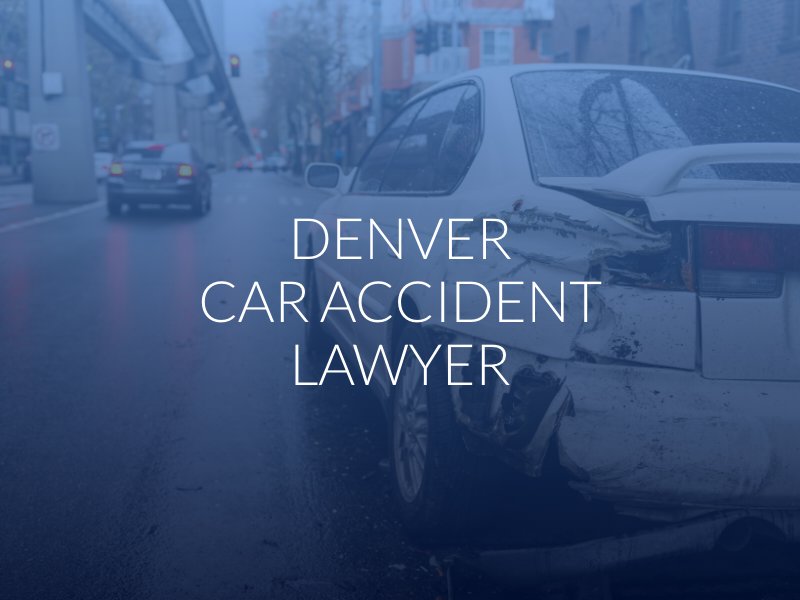
The First 72 Hours After a Colorado Wreck
The single most important sentence on this page is this: see a doctor within the first 72 hours. If you have any reason to believe you were hurt — a sore neck, a stiff back, a headache that did not exist this morning — get checked. Adrenaline masks injuries for hours and sometimes for days. Whiplash and soft-tissue damage rarely look serious in the first afternoon. By the third morning, they often look very serious indeed.
The medical record created in those first three days is also the foundation of your case. Insurance carriers routinely argue that any treatment that starts more than a week after the wreck must have been caused by something else. That argument is harder to make when an emergency-room visit, an urgent-care note, or a primary-care exam shows you reported the injuries right away. Even a quick virtual visit on day one is worth more than a thorough exam on day fifteen.
If you want help thinking through a serious colorado car accident, the next step is usually a free, no-obligation conversation with a licensed attorney who handles these cases every day. That conversation will tell you whether your case is one you can resolve on your own with a single phone call to the insurance company, or one where professional help will pay for itself many times over.
What to Document at the Scene
If you are physically able, capture as much as possible before vehicles are moved. Photographs of vehicle positions tell a story that no written description can replicate. Photographs of skid marks, debris fields, and damaged guardrails place the crash in space and time. Photographs of license plates, insurance cards, and driver's licenses keep you from chasing paperwork two weeks later.
Then move outward. Take wide shots of the entire intersection or stretch of road. Photograph traffic signals from the direction each driver was traveling. Note the weather and the road surface. If a witness stopped, ask for a name and phone number before they get back in their vehicle and disappear. Police reports often leave witness sections blank, and a friendly bystander on the scene is worth far more than a vague memory three months later.

Insurance: Whose, When, and What to Say
Colorado law requires every driver to carry liability coverage. In a typical wreck, the at-fault driver's liability policy is the first place a claim is filed. If that driver has no insurance or insufficient insurance, your own uninsured motorist or underinsured motorist coverage steps in. Many drivers do not realize they have purchased this coverage until they sit down with the policy paperwork.
When the other driver's insurance carrier calls you — and they will, often within 48 hours — be brief and factual. Confirm your identity. Confirm the date, time, and location. Decline politely if they ask for a recorded statement. Do not estimate fault, do not estimate speed, and do not minimize injuries. Adjusters are trained to capture concessions in those first conversations that show up later as discounts on your settlement. A good rule of thumb: assume every word is being written down. It usually is.
A serious colorado car accident is rarely a quick phone-call resolution. Medical bills come in slowly. Some injuries reveal themselves over weeks. A settlement signed too early closes the case forever, even if a herniated disc emerges three months later. Patience is leverage, and rushing is almost always expensive.
Proving Fault Under Colorado's Comparative Rule
Colorado follows a modified comparative-fault rule with a 50% threshold. In plain English: if you were partially responsible for the wreck, your recovery is reduced by your percentage of fault, but only if your fault is below 50%. At 50% or above, you recover nothing. This is one of the most important rules in any Colorado case, because insurance carriers fight aggressively to push your share of blame upward.
What does fault look like in practice? It is rarely a single moment. It is a left turn against traffic, a yellow light run a half-second too late, a glance at a phone, a misjudged following distance. Investigators reconstruct it from physical evidence, witness statements, traffic-camera footage, and the vehicles' own onboard data. A careful investigation often shows the at-fault driver was more responsible than the initial police report suggested. That re-allocation can shift tens of thousands of dollars in a colorado car accident claim.
What Your Case Is Actually Worth
The honest answer is that nobody can tell you a number in the first week. Anyone who does is guessing. A real valuation depends on the full picture of your medical treatment, the duration of your recovery, your lost income, the permanence of any injury, and the available insurance limits. Two cases with the same emergency-room bill can settle for very different amounts because one person was a self-employed contractor and the other had paid sick leave.
That said, here is what tends to move the number up: clean medical records that connect every symptom to the wreck, consistent treatment without long gaps, a clear narrative of how the injury changed daily life, and proof of fault that is hard to argue with. What tends to move the number down: gaps in treatment, social-media posts that contradict claimed limitations, prior injuries to the same body part that were not disclosed, and recorded statements made before talking to anyone with experience.
Settlement vs. Trial
The overwhelming majority of Colorado roadway-injury cases settle. Trials are expensive, slow, and uncertain, and most insurance carriers prefer a known number to a courtroom risk. That does not mean every offer is fair. The first written offer is almost always a starting point, not an endpoint. The third offer is usually closer to honest. A patient negotiation, backed by complete medical records and a credible threat to file suit, almost always outperforms a fast handshake.
If a case does go to trial, expect a year or more between filing and verdict. Cases that go that far usually involve disputed liability, serious permanent injury, or a carrier that simply will not pay a reasonable number. A colorado car accident with clear fault and well-documented damages rarely reaches that stage. One with disputed fault, a stubborn carrier, or a defendant with deep pockets often does.
When to Talk to a Lawyer
Some cases do not need an attorney. A minor fender-bender with no injuries, a quick property-damage claim, and a friendly adjuster can usually be handled in an afternoon. The cases that benefit most from professional help are the ones with real injuries: any visit to an emergency room, any time off work, any treatment beyond a single check-up, any disputed fault, or any policy-limits issue. In a meaningful colorado car accident, the cost of legal help is almost always paid out of the settlement, not your pocket.
The goal of this guide, and of the three deeper pages linked in the navigation, is to give you enough information to make that decision with your eyes open. Read what fits your situation. Ignore what does not. And whatever you do, do not sign anything from an insurance carrier in the first two weeks without reading every line.
Where to Go From Here
If you want to understand Colorado's specific insurance rules — what coverages are required, what is optional, and what those line items actually do — start with the Colorado insurance laws guide. If you live in Denver and want a practical walkthrough of the claims process from the inside, read the Denver claims guide. And if you want a clear breakdown of every category of money you can recover under Colorado law, read the recoverable damages page. Each is written to be useful on its own, in any order.
This is, ultimately, a colorado car accident handled like any serious financial event: with documentation, patience, and a willingness to ask hard questions before signing anything. Take the time it deserves.